
Maryland Home Inspection Checklist
A home inspection is a critical step in the Maryland home-buying process. It is your first opportunity to get an intimate look at the property and understand exactly what you are purchasing. This inspection allows you to uncover potential issues, giving you the leverage to negotiate repairs with the seller or, in extreme cases, walk away from a bad deal.
Whether you are buying in Towson or Baltimore, an inspection reassures you that the home meets your expectations. While the process can be exhaustive—often taking several hours or even a full day—it serves as a manual for your new home, providing maintenance tips and schedules to keep your investment safe.
What to Expect During the Inspection
Both you and your real estate agent should be present during the inspection. The seller’s agent may also attend. This is your chance to ask questions and learn about the home’s systems.
Don’t Rush the Process: Rushing an inspector can lead to overlooked problems, such as faulty wiring or plumbing issues.
Ask Questions: Inspectors will explain systems and maintenance tips personally. While the final report will contain pictures and descriptions, seeing the issues in person is invaluable.
The Home Inspection Checklist
Before making an offer, familiarize yourself with the key areas a professional inspector will review. Use this guide to understand what to look for and discuss any specific concerns with your inspector.
1. Foundation
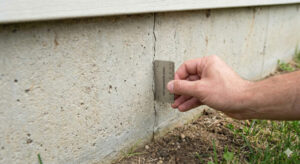
The stability of the home relies on its foundation. Any cracks or shifts can imperil the structural integrity of the house.
What to look for: Check walls and ceilings in every room for cracks. Inspect the exterior base of the home for shifts or crumbling concrete. Ensure trees are not encroaching on the foundation.
2. Lot and Drainage
Proper drainage prevents water damage, which can be costly to repair.
What to look for: Ensure the ground slopes away from the house. Look for soggy areas in the yard or standing water, which may indicate leaking pipes or poor grading. If drainage issues are linked to city sewer lines, repairs can be significant.
3. Roof
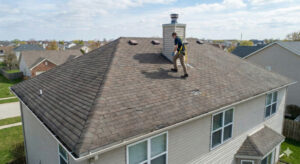
The roof is one of the most expensive components of a home.
What to look for: Assess the condition of shingles and flashing. Estimate the remaining lifespan. If the roof needs immediate replacement, you may be able to negotiate a price reduction or request repairs before closing.
4. Exterior
The exterior shell protects the home from the elements.
What to look for: Check for peeling paint, loose boards, and dangling wires. Inspect gutters and downspouts to ensure they are securely attached and free of debris.
5. Attic & Insulation
What to look for: Look for signs of structural damage, water stains, or insufficient insulation.
6. Interior & Windows
Air leaks can significantly impact heating and cooling costs.
What to look for: Check ceilings and areas around windows for drafts or water stains. Replacing windows can be expensive, so note their condition carefully.

7. Basement
Basements in Maryland are prone to moisture.
What to look for: Dampness, musty odors, or water stains on walls. Check that insulation is dry and properly installed.
8. Electrical Systems
Old electrical systems can be dangerous and may not meet the National Electrical Code.
What to look for: Inspect the breaker box and outlets. Ensure the system is modern and safe. Note: Always leave detailed electrical testing to the professional inspector.
9. Plumbing
Plumbing issues can be hidden and expensive.
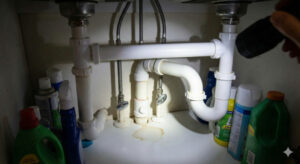
What to look for: Low water pressure, slow drains, dripping faucets, or signs of leaks under sinks. Major plumbing issues can sometimes prevent bank financing.
10. Appliances
If appliances are included in the sale (stove, refrigerator, washer/dryer), their condition matters.
What to look for: Check the age and working condition of all units. Older appliances may need near-term replacement.
11. Heating & Cooling (HVAC)
What to look for: Verify the age of the furnace and AC units. Check if the coolant type is current (older coolants like Freon are being phased out and are expensive to refill).
12. Odors
Peculiar smells often indicate hidden problems.
What to look for: Musty odors usually indicate a wet basement or mold presence. If detected, ask your inspector to specifically test for mold.
A Note on Code Compliance
Older homes in Maryland were built to the codes of their time. Renovations over the years may not have been permitted or up to current safety standards. While an inspector cannot see through walls, they can identify visible code violations that may result in expensive future repairs.


